









Pharmaceuticals & Biotechnology
Biotech, Pharma and Manufacturing companies

You’re visiting the UK site but it looks like your in the USA, would you like to be redirected for more relevant content?



By Martin Anderson, Founding Director, Carrot Life Sciences
Attendance at ISPOR always proves to be a highlight of my professional year. As someone who has spent decades supporting clients across the full spectrum of Market Access Strategy, HEOR, RWE and Pricing, there are few events that offer quite the same concentration of intellectual energy, strategic debate, and genuine human connection as ISPOR’s annual meetings, both European and US.
This year, returning to Philadelphia (the city where ISPOR held its very first conference nearly three decades ago) gave proceedings an added sense of occasion.
I was joined in Philadelphia by my colleague Calvin Lee who came from his hometown of New York, and together we spent four days immersed in conversations with clients, candidates, researchers, and policymakers from across the globe. The themes that emerged from those conversations, and from the sessions themselves, have reinforced my view that the HEOR and Market Access landscape is changing faster and more fundamentally than at any point in my recent memory.

The overarching theme of ISPOR 2026 – “HEOR at the Forefront of Policy, Access, and Value” – felt urgent. The conference convened against a backdrop of policy turbulence: the continued rollout of Medicare drug price negotiations under the Inflation Reduction Act (IRA), the introduction of Trump’s Most-Favoured-Nation (MFN) pricing strategy, and the early implementation of the EU Joint Clinical Assessment were all prominent topics. The message throughout was clear: HEOR professionals are no longer working in the wings of these debates, they are at the very centre of them.
Here are the themes that stood out most for me, both from the sessions we attended and from the conversations that Calvin and I had on the ground.
The opening plenary on Monday really set the tone for the rest of the conference, focusing on US efforts to lower drug prices and what those changes could mean far beyond the American market. The conversation around the MFN pricing strategy and the expanding scope of Medicare negotiations under the IRA was open, honest and, at times, quite sobering. For many attendees, the debate was no longer about whether these policies will reshape the commercial landscape, but how quickly organisations can adapt their evidence generation and pricing strategies in response.
What stood out in particular was just how strongly US policy changes are now influencing global markets. Manufacturers are increasingly being asked to demonstrate value across multiple, overlapping payer and regulatory frameworks at the same time, from the IRA negotiation process in the US to early HTA engagement in Europe under the JCA. In this environment, the HEOR professionals who will stand out are those who can think globally while still delivering locally relevant strategies, building evidence packages that are scientifically rigorous as well as commercially meaningful.
From a recruitment perspective, this is creating growing demand for professionals who combine strong health policy understanding with technical expertise. Those who can navigate the regulatory landscape just as confidently as they can develop an economic model.
AI was arguably the defining theme of ISPOR 2026. In fact, ISPOR’s own Top 10 HEOR Trends for 2026–2027 ranks artificial intelligence as the number one trend shaping the field, and that was clearly reflected across the conference programme. From automating literature reviews and drafting HTA dossiers to generating insights from real-world data, the practical applications of AI in HEOR are expanding rapidly.
What made the discussions particularly valuable, though, was that they focused less on what AI can do and more on what it should do, and how it should be governed responsibly. A strong and consistent message across sessions was that AI is not replacing HEOR expertise; it is enhancing it. One phrase that came up repeatedly was the need for “decision-grade evidence”, evidence that meets the scientific, methodological and transparency standards expected by HTA bodies, payers and regulators, regardless of the data source.
Several sessions showcased how AI-enabled evidence strategies and real-world data platforms can dramatically accelerate certain analytical workflows, in some cases reducing timelines from months to minutes. But speakers continually emphasised that human expertise remains essential to interpret findings, validate outputs and ultimately take responsibility for the science. Fit-for-purpose data, transparent methodology and expert oversight are still non-negotiable. If anything, the rise of AI only increases the importance of those standards.
For organisations building capabilities in this space, the recruitment challenge is becoming increasingly clear. The professionals in highest demand are those who combine strong HEOR methodological expertise with genuine digital fluency, people who understand both the science itself and the systems and technologies shaping the future of evidence generation.

Real-World Evidence has long been described as “emerging”, but at ISPOR 2026 it felt like it had truly come into its own. Across the conference, sessions explored the growing range of data sources now being used, from electronic health records and claims data to patient-generated information from wearables and apps, alongside the methodological frameworks needed to ensure that evidence is both credible and actionable.
What became very clear is that RWE is no longer viewed as a supplementary activity. It is now a core part of evidence strategy, spanning everything from early development through to post-launch decision making. As a result, organisations are looking for professionals who can bring together methodological expertise, regulatory understanding and strategic thinking, a combination that remains genuinely difficult to find.
It seems that the competition for strong RWE talent is only expected to intensify.
“One of the most encouraging themes was the continued maturation of patient-centred evidence as a formal scientific discipline. Patient engagement has moved well beyond advisory boards now to encompass co-designed study protocols, patient-reported outcome measures embedded in HTA submissions and rigorous methods for capturing and communicating lived experience in credible ways for decision-makers.”
Health equity was woven through many of these conversations and there was a clear expectation that diverse representation in research should be a requirement and that evidence frameworks need to reflect real-world populations if they are to hold up under the scrutiny of payers and HTA bodies.
From a talent perspective, this feels significant. Organisations are actively seeking professionals with experience in patient preference research, PROM methodology, and the kind of community-engaged research design that can bridge the gap between clinical evidence and lived experience.
“It’s my belief that ISPOR functions as a barometer for the health of the field, and the reading from Philadelphia is clear: demand for specialist HEOR and Market Access talent is at or near an all-time high, and the skills required are evolving faster than most hiring timelines can comfortably accommodate.”
Several hiring trends stood out from my conversations during the conference:
Hybrid technical and strategic candidate profiles are increasingly becoming the expectation. The most sought-after professionals can move between building economic models and advising on access strategy, between running RWE analyses and presenting findings to payers. The era of purely technical HEOR roles, disconnected from commercial reality, is largely behind us.
AI literacy is becoming a hygiene factor. Teams are not necessarily looking for AI specialists, but they are looking for HEOR scientists who understand how to work with AI tools responsibly and who can evaluate outputs critically. The ability to distinguish between AI-generated noise and decision-grade evidence is fast becoming a core professional competency.
The talent market remains tight, and patience is running short. Multiple clients told me that hiring timelines are lengthening because the intersection of skills they need is genuinely rare. There is a growing willingness to invest in developing talent internally, but competition for people who already have the right combination of experience is fierce.
I want to end with something that might seem obvious but felt worth saying out loud after four days in Philadelphia: there is no substitute for being in the room.
The sessions at ISPOR are always valuable. But the conversations that happen between sessions – over coffee, at the networking reception, in the exhibit hall, over dinner – are where the real intelligence lives. Those are the moments where people say what they actually think about where the field is going, what their teams are struggling with, and what kind of talent they are genuinely trying to find.
For those of us working in HEOR and Market Access recruitment, those conversations are irreplaceable. They give us a depth of understanding that no job brief or LinkedIn search can provide, and they allow us to serve our clients and candidates with the kind of insight that really makes a difference.
We have come a long way. And the work ahead has never mattered more.
ISPOR Philadelphia 2026 sent the field home with a clear set of priorities: steadily navigate the US policy storm, deploy AI with human intelligence, invest in infrastructure, keep the patient voice central and focus on building teams capable of working across the full complexity of a global access environment.
For me, it reinforced everything we believe about the importance of deep sector knowledge, personal relationships, and a genuine understanding of what organisations need now, and will need in future.
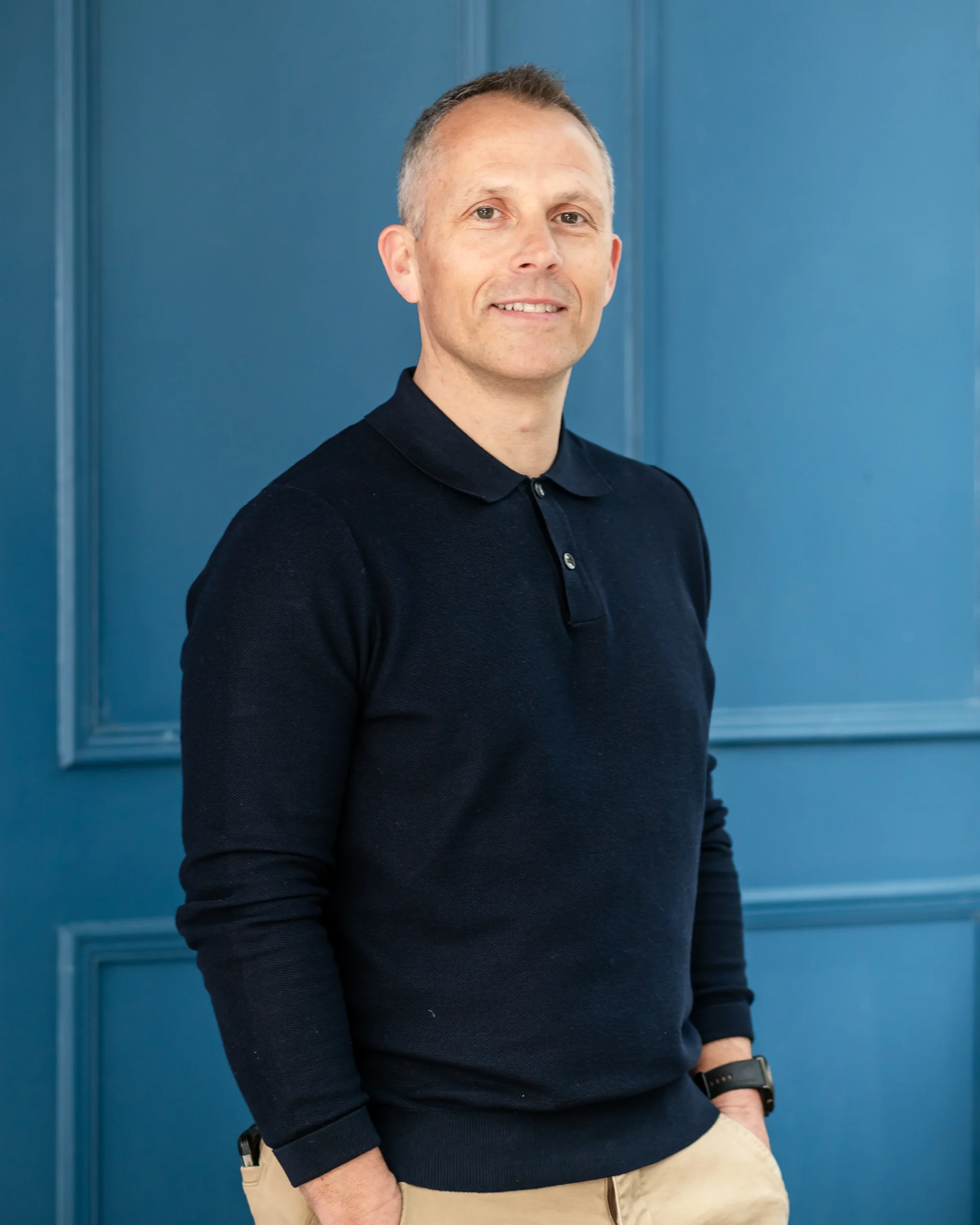
Martin Anderson is Founding Director of Carrot Life Sciences, a specialist life sciences recruitment firm with particular expertise in Market Access, HEOR, and RWE. Martin attended ISPOR 2026 in Philadelphia alongside colleague Calvin Lee.
Carrot Life Sciences has built a strong and proven track record within the Market Access, HEOR, and Real-World Evidence space. Over the past three years, we’ve delivered consistently across for our valued clients across the life sciences sector.
The majority of our assignments span the USA, the UK, and Europe with a focus on mid-to-senior level appointments.
Notably, a majority of our work is now conducted through exclusive partnerships, enabling us to provide a highly tailored, high-quality service that drives long-term talent retention and business success.